Industrial Development
Policies, private sector engagement, and monitoring to grow manufacturing and diversify the economy, including active participation in AfCFTA.
Our Impact
Trade is a catalyst for development. Sierra Leone continues to open market corridors through AfCFTA, ECOWAS, and AGOA.
Following the 2024 national accounts rebasing, Sierra Leone's economy is valued at about US$8 billion, with real GDP growth of roughly 4% in 2024. The Ministry works with partners and the private sector to strengthen competitiveness and diversify the economy.
Market Data
Official market indicators published by the Ministry to support informed decisions for businesses, investors, and citizens.
What We Do
Core programmes that strengthen industry, expand exports, and create an enabling environment for private sector growth.
Policies, private sector engagement, and monitoring to grow manufacturing and diversify the economy, including active participation in AfCFTA.
Building export competitiveness through standards alignment, trade agreements such as AfCFTA and AGOA, and support for participation in international markets.
Investment facilitation, fiscal concessions, and policy guidance aligned with national development goals under the NMTDP 2023–2028.
Gender-responsive trade policies, financial support, and capacity-building for women entrepreneurs in domestic and international markets.
National Quality Infrastructure with the Sierra Leone Standards Bureau so local products meet international trade requirements.
Business reforms, policy harmonization, and infrastructure improvements that strengthen customs processes and the overall business environment.
Our Strategy
Five priorities guiding Ministry work to build a competitive, inclusive, and sustainable trade and industrial sector.
Strengthening MTI and affiliated agencies to deliver an enabling environment for private sector-led growth.
Accelerating industrial development, including the establishment of special economic zones.
Expanding participation in trade with more players to support healthy competition.
Nurturing the growth of local small and medium enterprises and new business ventures.
Aligning national trade policies with regional and global initiatives to boost international competitiveness.
Management
Political and professional leadership guiding trade and industrial policy for Sierra Leone.
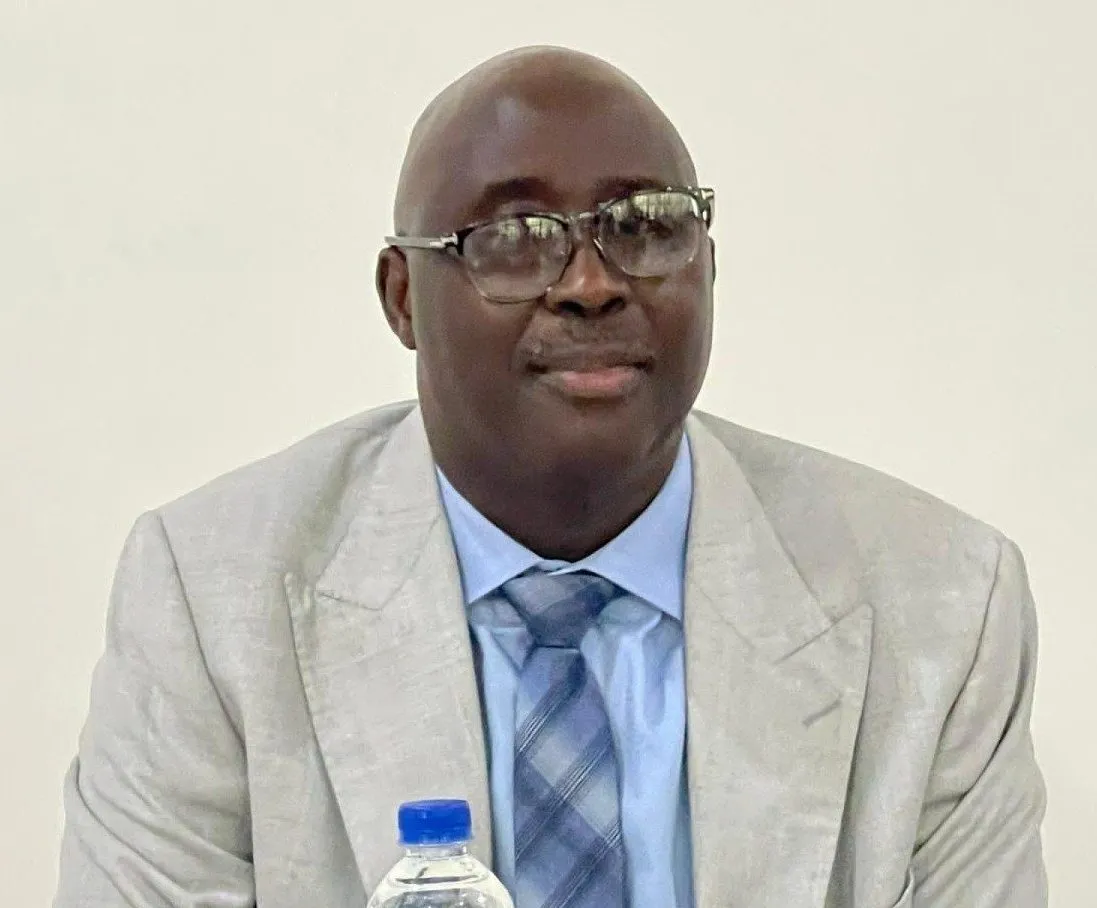
Political and strategic head of the Ministry, providing leadership for trade and industrial development.
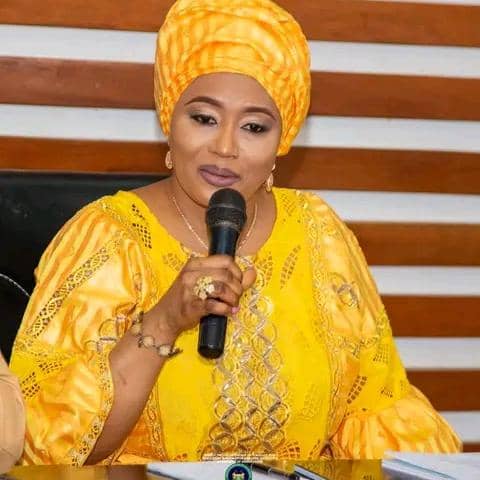
Supports the Minister in policy delivery and coordination across trade and industry programmes.
Leads technical and operational delivery, supervising directorates and ensuring effective policy implementation.
In the Spotlight
Highlights from recent engagements, industrial projects, and field monitoring across Sierra Leone.
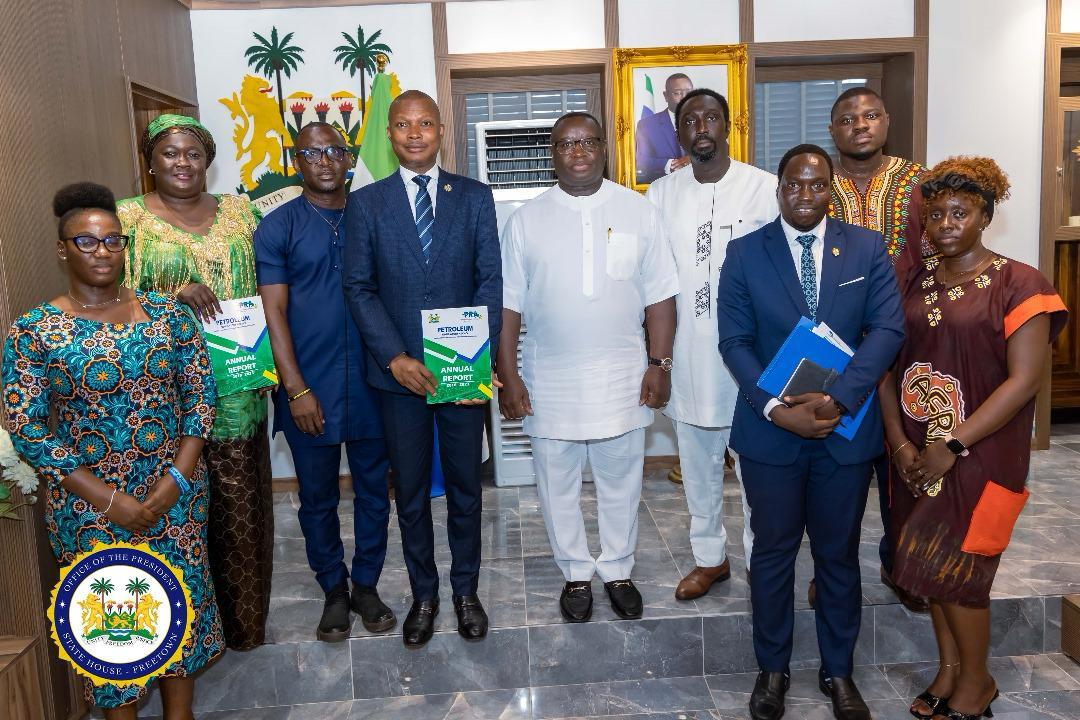
Hon. Alpha Ibrahim Sesay met AfCFTA Secretary-General Wamkele Mene to advance Sierra Leone's role in the continental market, aligned with the Feed Salone agenda.
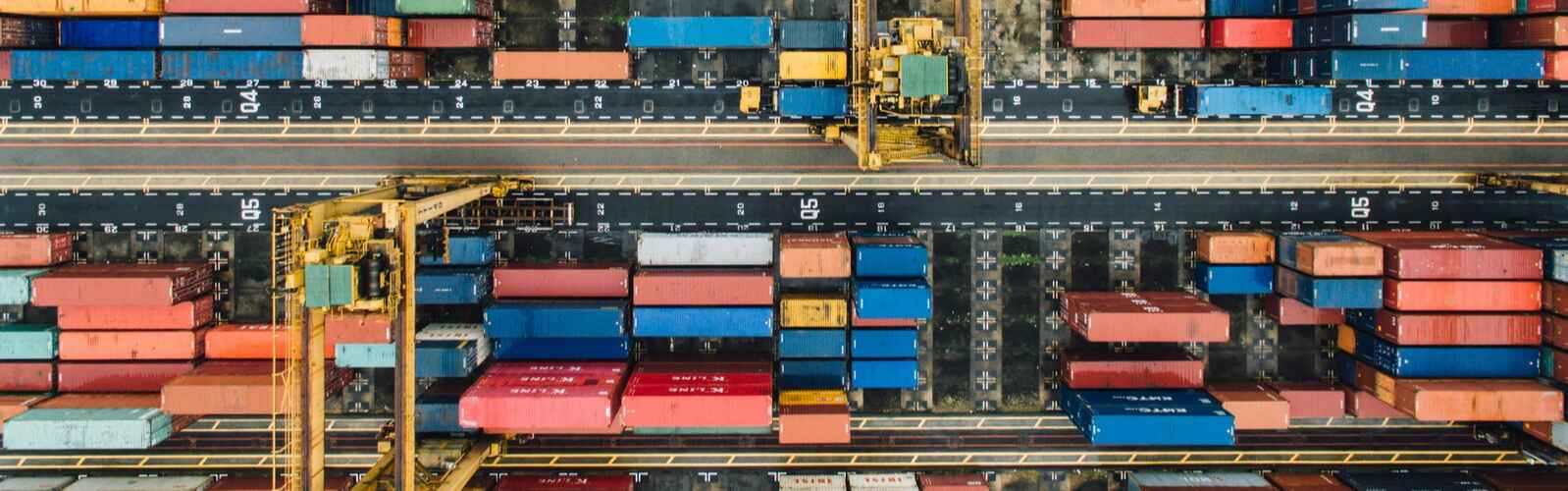
Local iron rod production at Odhav Multi Industries (SL) Ltd is reducing import dependence, stabilizing foreign exchange, and opening export opportunities across African markets.
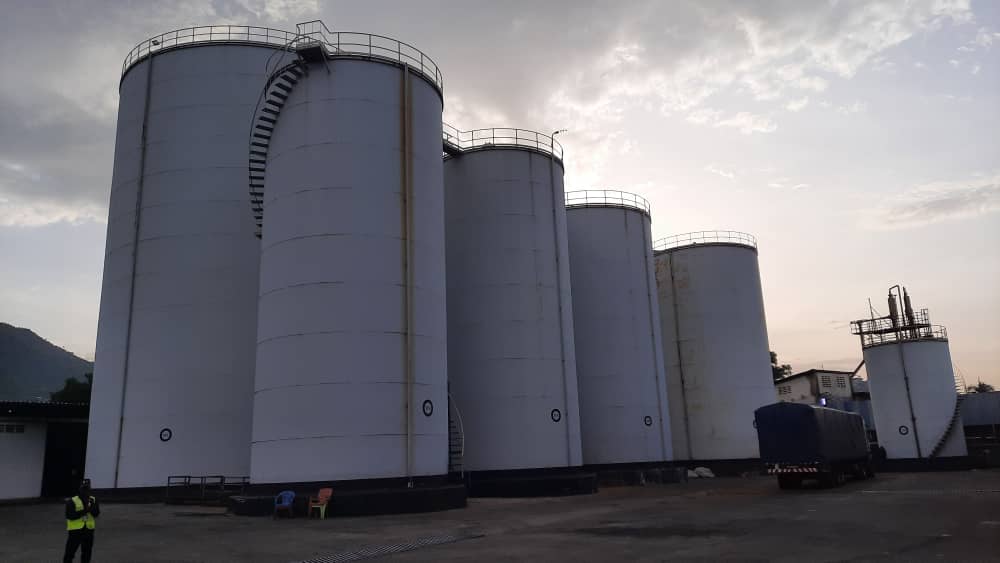
Routine field visits to industrial sites ensure compliance, identify bottlenecks, and support operators with timely policy and regulatory guidance.
Help Centre
Quick answers on exports, business registration, and trade licences in Sierra Leone.
To export goods from Sierra Leone, you must first register your business with the Corporate Affairs Commission (CAC). Next, obtain an Export Licence from the Ministry of Trade and Industry. Depending on the product, you may also need a phytosanitary certificate (for agricultural goods) from the Ministry of Agriculture or a quality certificate from the Sierra Leone Standards Bureau (SLSB). Finally, you will clear your goods through the National Revenue Authority (NRA) Customs Division at the port of exit.
Yes. All exporters must have a legally registered business entity in Sierra Leone. You can register a sole proprietorship, partnership, or limited liability company through the Corporate Affairs Commission (CAC). Registration typically takes 2–5 working days. Once registered, you can then apply for your Export Licence at the Ministry of Trade and Industry.
Business registration is handled by the Corporate Affairs Commission (CAC) in Freetown. For a sole proprietorship, you need a completed application form, two passport photos, and a valid national ID. For a limited company, you will additionally need a memorandum and articles of association, details of directors and shareholders, and a registered office address. The CAC also offers an online portal for faster processing.
The key documents include: (1) a valid Export Licence from the Ministry of Trade and Industry, (2) a Certificate of Origin from the Sierra Leone Chamber of Commerce (SLCCIA), (3) a Customs Declaration Form from the NRA, (4) a Phytosanitary or Quality Certificate from the relevant agency, and (5) a Bill of Lading or Airway Bill from your shipping agent. For AfCFTA markets, you may also need a certificate of compliance with the AfCFTA Rules of Origin.
Under the Bank of Sierra Leone (BSL) foreign exchange regulations, exporters are required to repatriate 100% of export proceeds through a licensed commercial bank within 90 days of the shipment date. Failure to comply can result in penalties including suspension of your Export Licence. Contact the BSL Foreign Exchange Supervision Department for guidance.
The African Continental Free Trade Area (AfCFTA) is a trade agreement among 54 African Union member states creating a single continental market of over 1.3 billion people. For Sierra Leone, it means reduced or eliminated tariffs when exporting to other African countries and new opportunities for manufacturers and farmers. The Ministry of Trade and Industry supports businesses through training, certification, and market linkage programmes.
Trade licences are issued by your Local Council (Freetown City Council for Freetown-based businesses). Import permits for controlled goods are issued by the relevant government ministry. All importers must register with the NRA and obtain a Taxpayer Identification Number (TIN). Contact the Ministry of Trade and Industry for guidance on additional permits.
Our Partners
Collaborating with international organisations to advance trade and industry in Sierra Leone.



Contact
Questions about trade, investment, or business registration? Reach the Ministry directly or send us a message.
Landline: +232 22 226 868
Mobile: +232 76 607 441
Monday – Friday: 8:00 AM – 4:45 PM